|
|
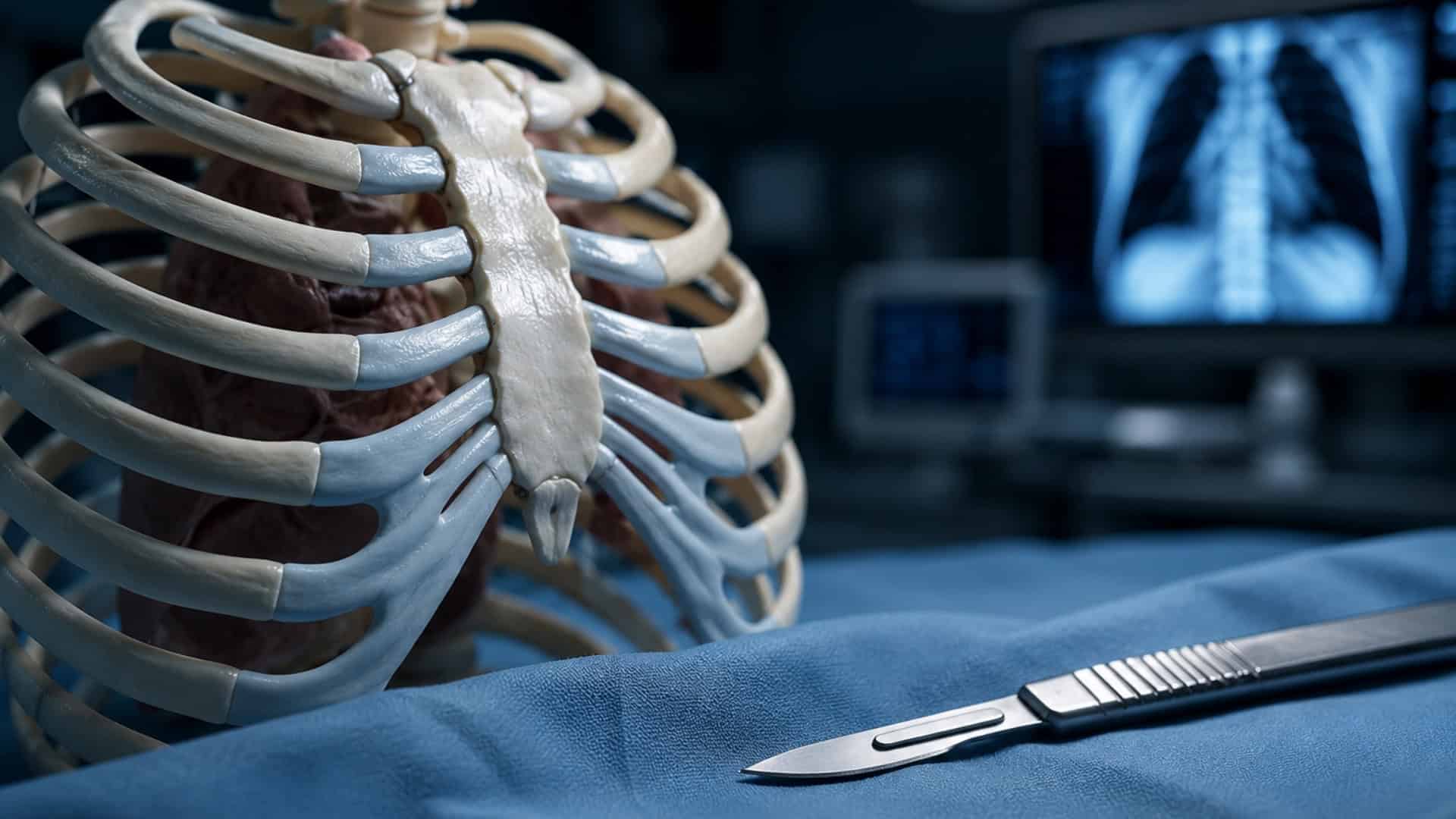 How Thoracic Surgery Has Changed in the Last Ten YearsWhen you hear “thoracic surgery,” you might still picture large incisions, long hospital stays, and weeks of difficult recovery but that’s no longer the full story. Over the last decade, techniques, tools, and recovery plans have evolved dramatically, changing what you can expect before, during, and after an operation on your chest. If you, or someone close to you, might ever need lung or esophageal surgery, it’s worth knowing how different things look now… How Thoracic Surgery Is Safer and Less Invasive TodayOver the past decade, thoracic surgery has become safer and less invasive, with outcomes that are substantially improved compared with earlier eras. Mortality associated with major thoracic procedures has decreased from approximately 4.4% to 1.2%. In addition, rates of complications such as wound infections, kidney dysfunction, gastrointestinal problems, and stroke have declined following certain operations. Perioperative care practices have also advanced. Patients are often encouraged to walk at regular intervals, for example every two hours, and to use incentive spirometry frequently, such as ten times per hour, to support lung function. Standardized pain management and bowel regimens are commonly used to reduce complications and promote recovery. Together, these measures contribute to shorter hospital stays, lower complication rates, and improved overall surgical outcomes. Modern Minimally Invasive Techniques: Robotics, VATS, and EndoscopyOver the past decade, thoracic surgery has increasingly adopted minimally invasive approaches, including video-assisted thoracoscopic surgery (VATS), robotic-assisted techniques, and advanced endoscopic procedures. In many high-volume centers, VATS or robotic methods are used for a substantial majority of stage I lung cancer lobectomies, often exceeding 90%. Robotic platforms, such as the da Vinci Xi system, facilitate standardization of operative steps and have been applied beyond initial indications like thymoma to a wider range of mediastinal and pulmonary procedures. Programs that systematically track outcomes commonly report lower perioperative morbidity, shorter median hospital stays of approximately three days, and improved ability to localize and biopsy small or anatomically challenging lung nodules using endoscopic and image-guided navigation techniques. Access to these platforms still varies between centers, which is why it is worth asking where a surgeon operates as well as how often. Marco Scarci, thoracic surgeon, who runs clinics across The Wellington Hospital, The London Clinic and Imperial Private Healthcare, uses VATS and robotic approaches for the majority of his cases and has published more than 200 peer-reviewed papers in the field. His website lists which chest procedures he performs and by which route. How Surgeons Now Handle More Complex Thoracic CasesAs minimally invasive tools and perioperative pathways have matured, thoracic surgeons now apply them to more complex problems that previously required large open incisions. Video-assisted thoracoscopic surgery (VATS) and robotic approaches are increasingly used for selected patients requiring complex segmentectomies, bronchial or vascular sleeve resections, and certain mediastinal or chest wall tumor resections. Robotic platforms can facilitate work in confined spaces, help with precise dissection around critical structures, and support accurate lesion localization and margin assessment while aiming to preserve lung and chest wall function. Standardized enhanced recovery pathways, including optimized pain control, early mobilization, and structured postoperative monitoring, have allowed centers to extend minimally invasive techniques to higher‑complexity cases while maintaining outcomes such as median hospital stays of about three days after robotic or VATS lobectomy in experienced programs. These developments are supported by structured training, including simulation-based curricula and proctored case experience, which are intended to build and maintain proficiency for infrequently encountered, high‑risk procedures. What’s Changed in Lung and Esophageal Surgery OptionsThese same advances that allow surgeons to manage complex thoracic cases through small incisions have also changed standard options for lung and esophageal disease. For many patients with stage I lung cancer, there's now a high likelihood over 90% in numerous centers that a lobe or segment can be removed using minimally invasive techniques such as video-assisted thoracoscopic surgery (VATS) or robotic-assisted surgery. Published data generally show that, in appropriately selected patients, these minimally invasive approaches achieve cancer control and survival outcomes comparable to open surgery, while often reducing hospital length of stay and postoperative pain. Minimally invasive and robotic techniques are also increasingly used for more complex lung resections, esophageal cancer operations, and benign foregut conditions such as gastroesophageal reflux disease, achalasia, paraesophageal hernias, and large (giant) hiatal or gastric hernias. In some centers, these procedures are supported by advanced imaging and robotic navigation systems designed to improve precision in dissection and lymph node removal. The choice between open, VATS, and robotic approaches generally depends on tumor characteristics, patient comorbidities, and the expertise and resources of the treating center. How These Advances Affect Your Pain, Scars, and RecoveryAlthough every operation still requires a healing period, modern thoracic techniques have changed typical patterns of pain, scarring, and recovery for many patients. With robotic or video-assisted thoracoscopic (VATS) surgery, the incisions are usually smaller and there's generally less disruption of muscle tissue. As a result, many patients are discharged around the third day after a lobectomy rather than after a longer, week-long hospital stay, though this can vary based on individual factors and surgical findings. Pain control often begins with epidural or intravenous medications soon after surgery and is then transitioned to oral pain medications as the patient becomes more mobile. Early and regular walking, as well as consistent use of an incentive spirometer, are standard parts of recovery protocols to support lung function and reduce complications. Discomfort related to chest tubes is common but is typically managed with specific instructions for care at home and guidance on when to seek medical attention. For patients undergoing robotic esophagectomy, hospital discharge by approximately the fourth postoperative day is increasingly common in selected cases, and the procedure generally involves fewer and smaller incisions compared with traditional open surgery. ConclusionAs you think about thoracic surgery today, you can move forward with far more confidence than a decade ago. You’ll likely face smaller incisions, less pain, and a shorter hospital stay, even for complex lung or esophageal procedures. By asking about minimally invasive options, enhanced recovery pathways, and your surgeon’s experience, you take an active role in your care so you can breathe easier, heal faster, and return to your life sooner. |
|
||||||||||||
|
||||||